Urban researchEnhancing the sense of Belonging: Megaproject and Public Spaces in Hong Kong
Kai Tak Megaproject and Kwun Tong
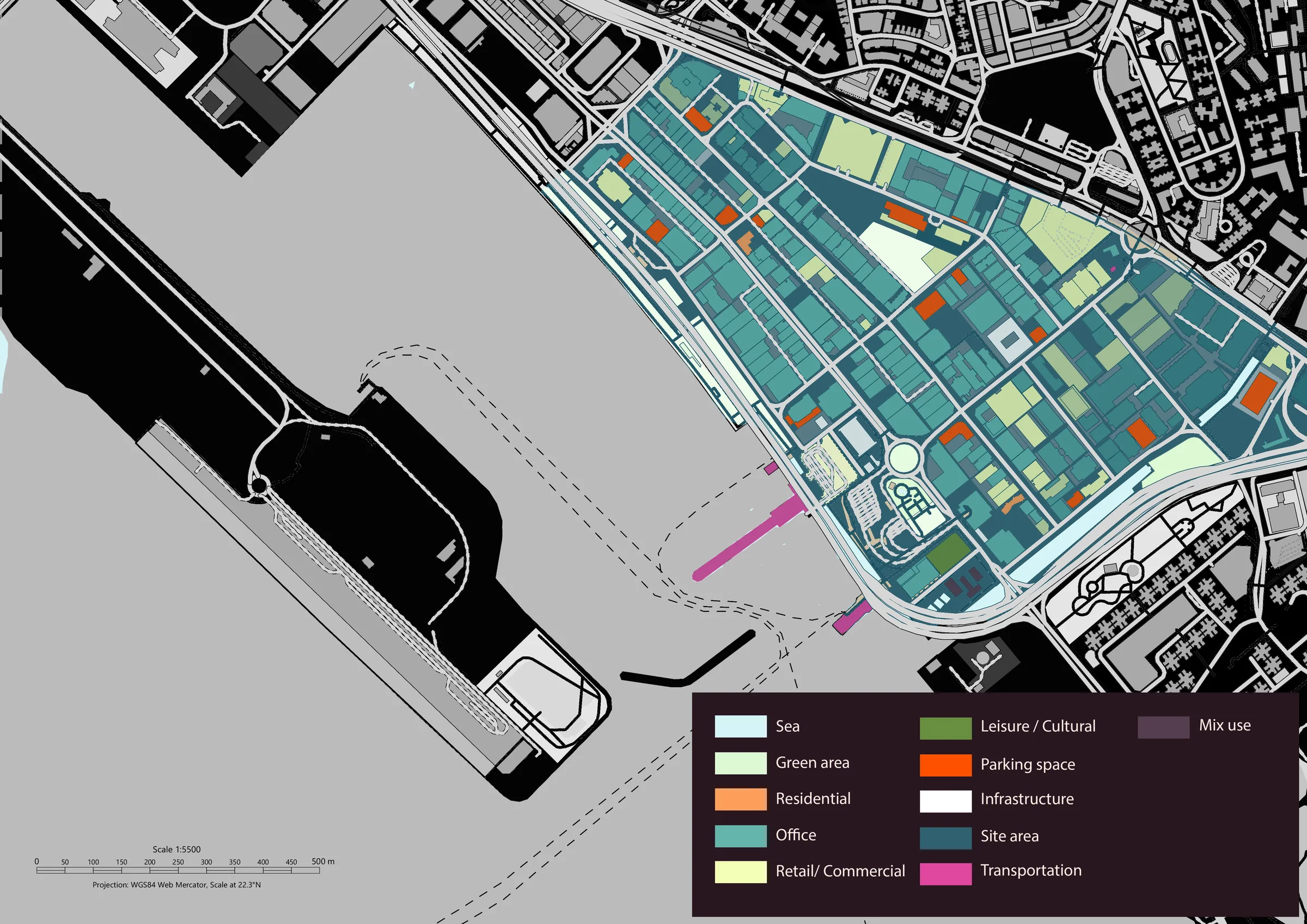
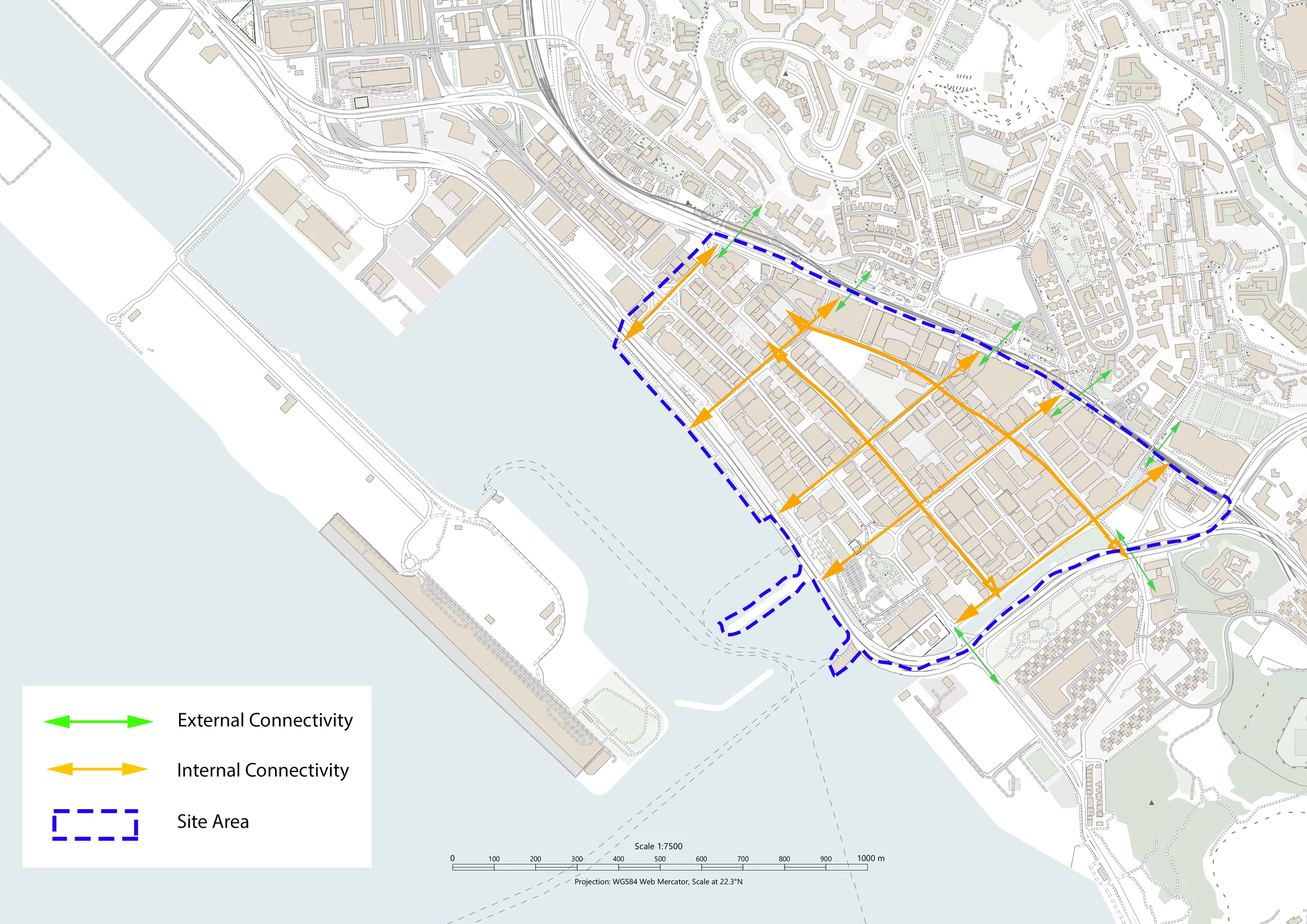
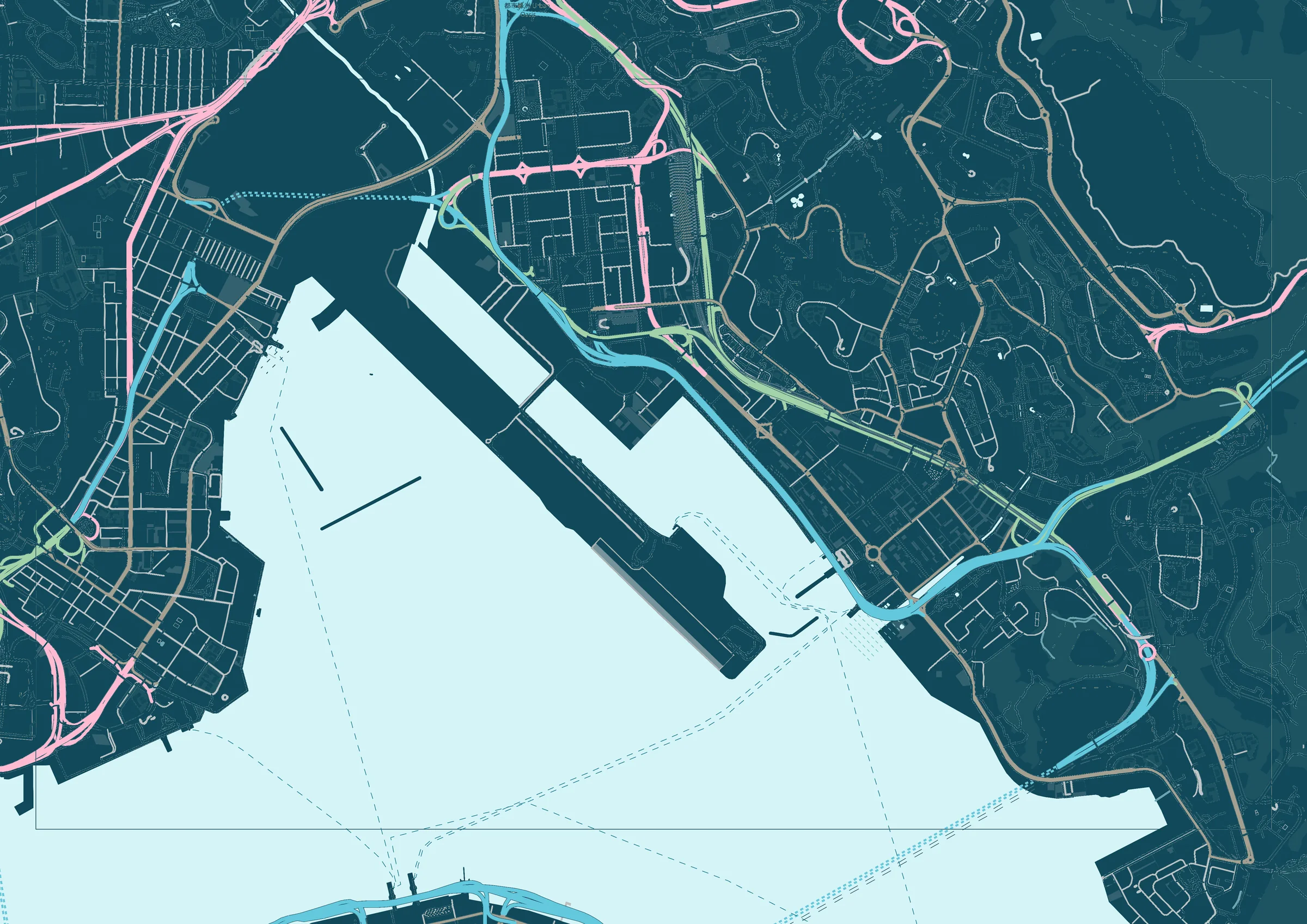
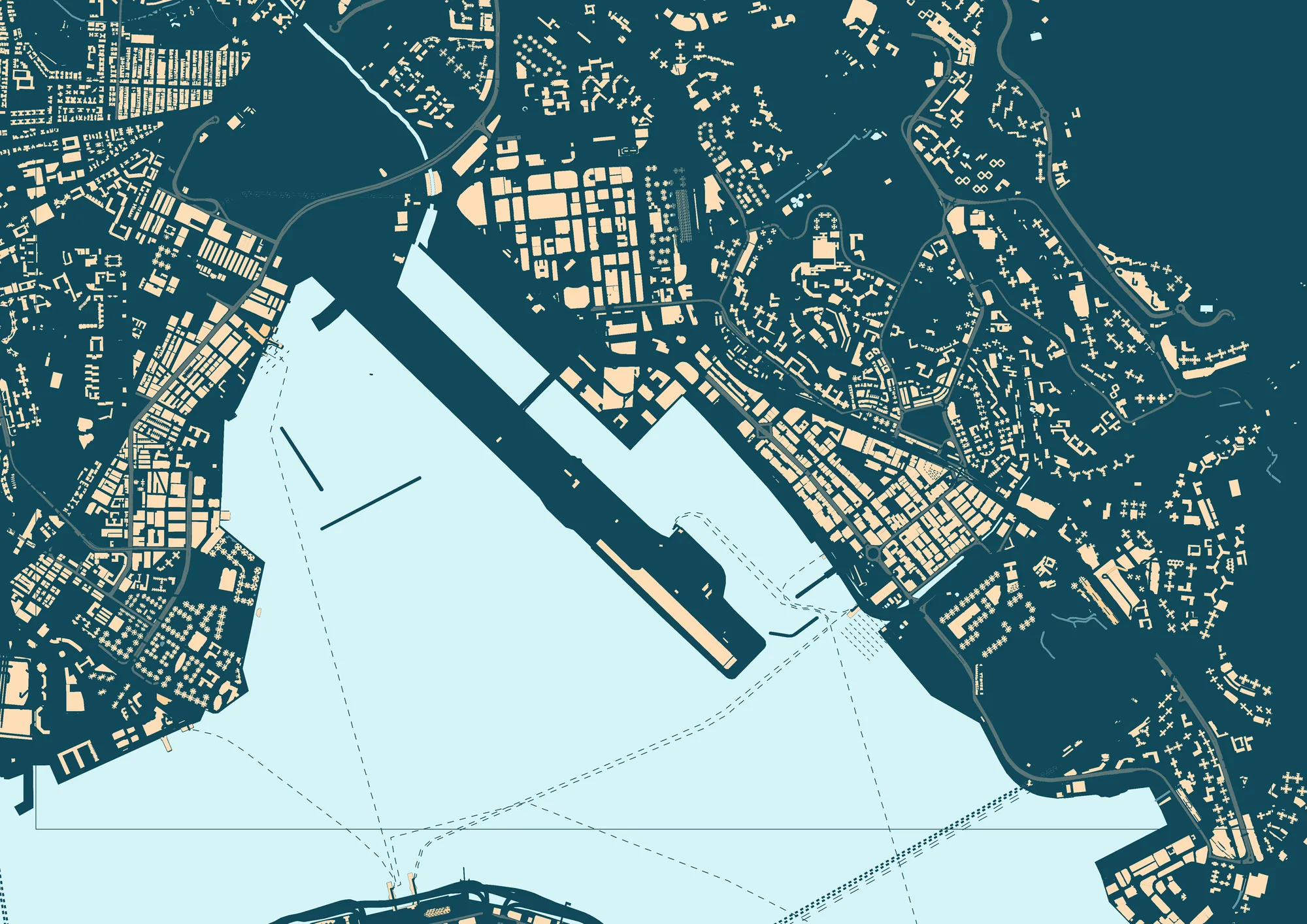
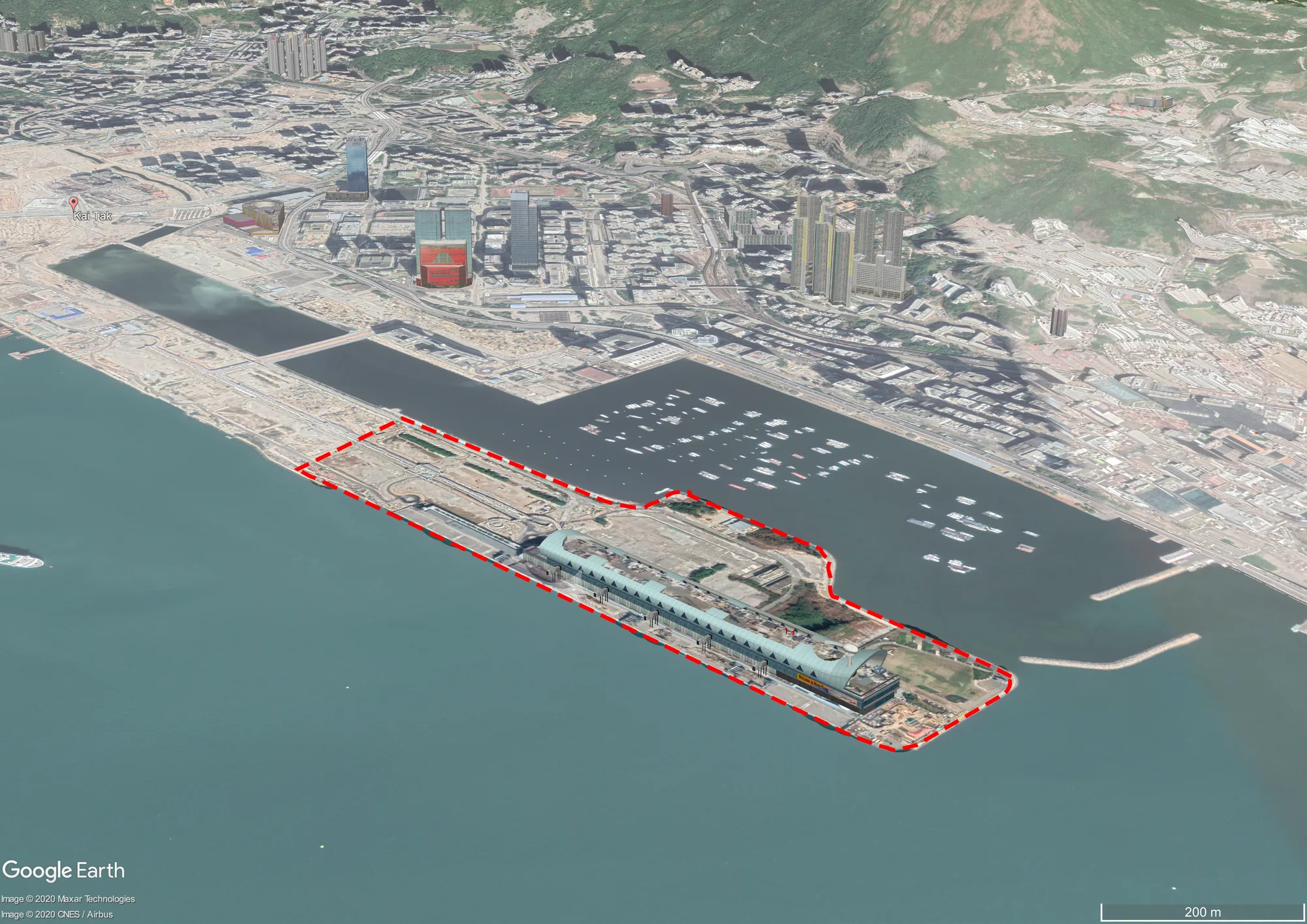
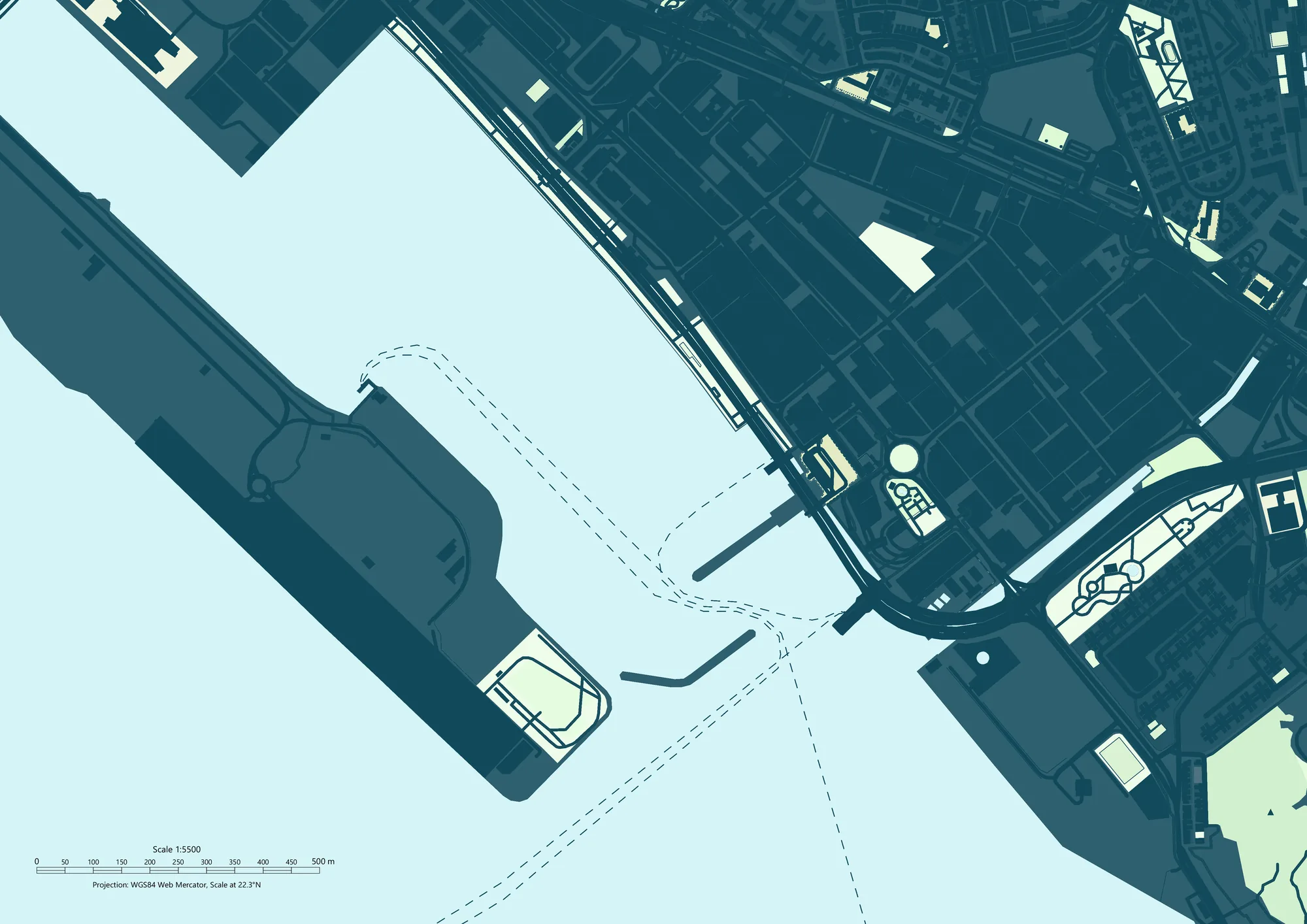
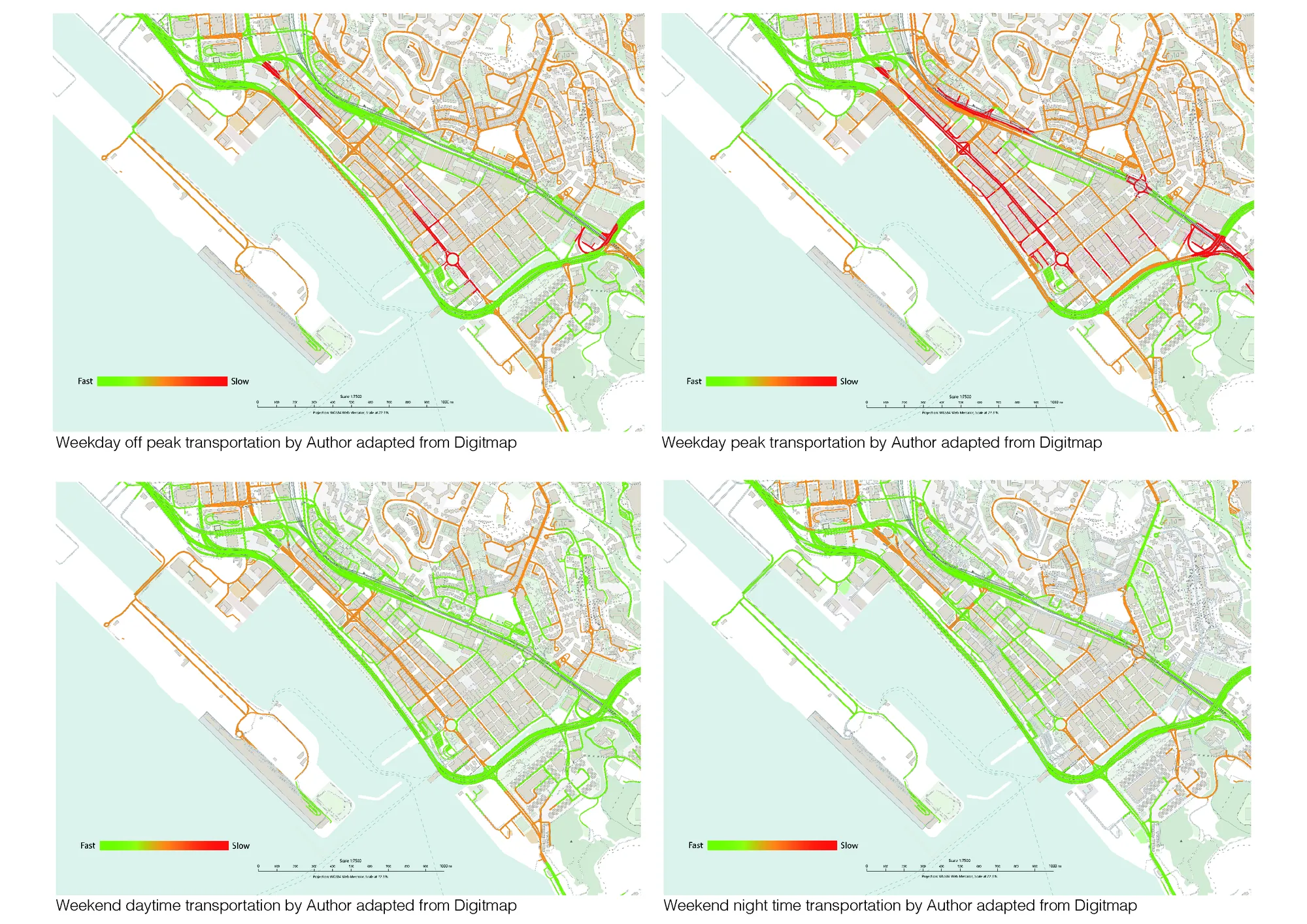
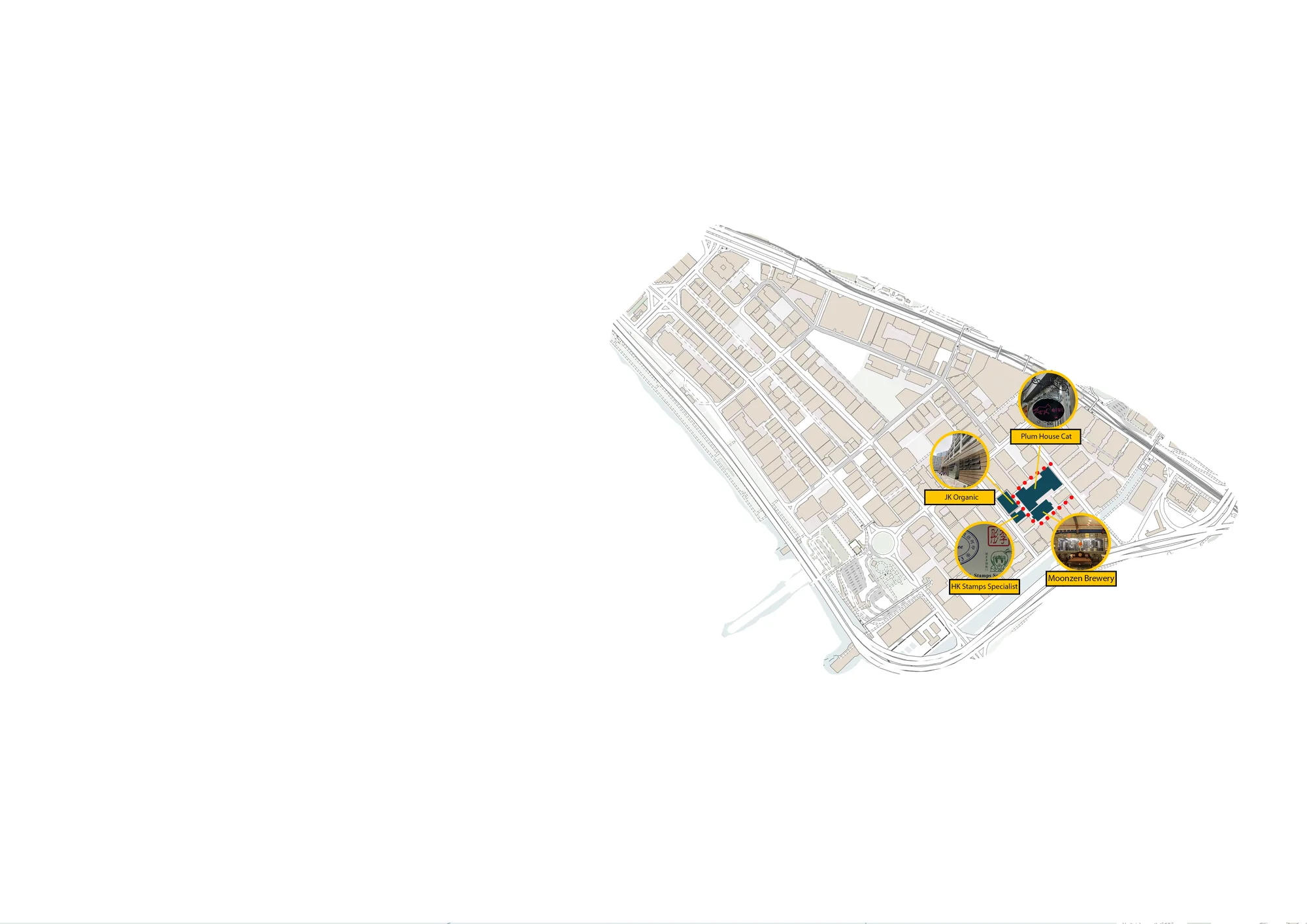
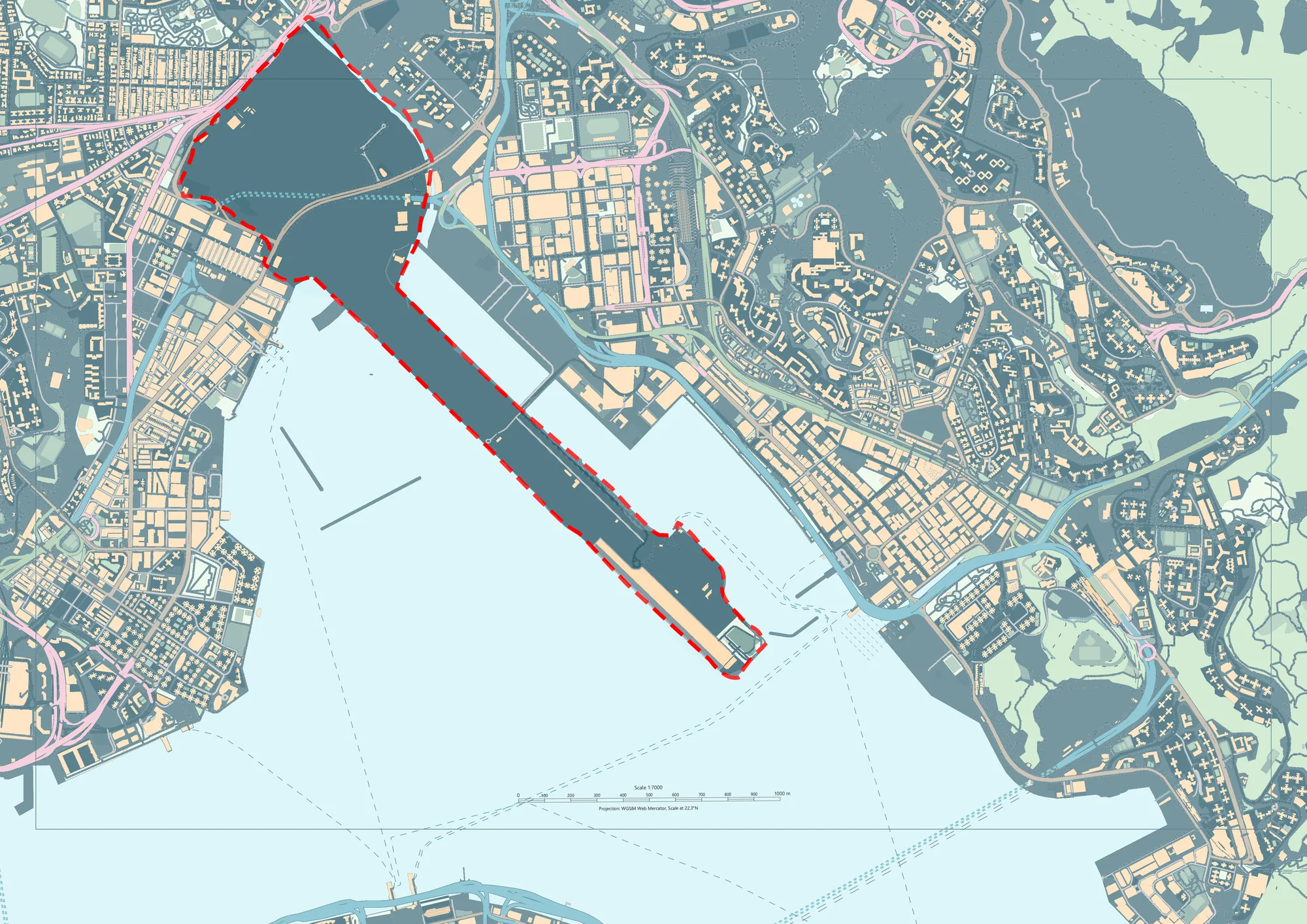
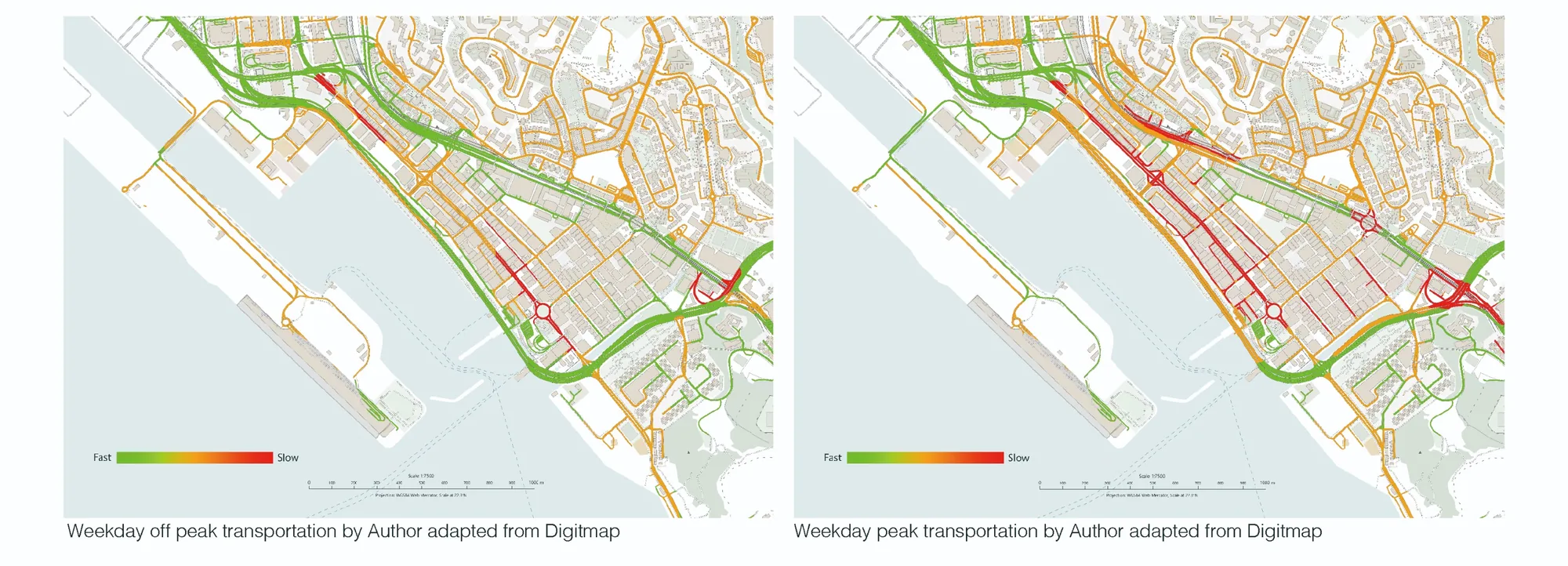
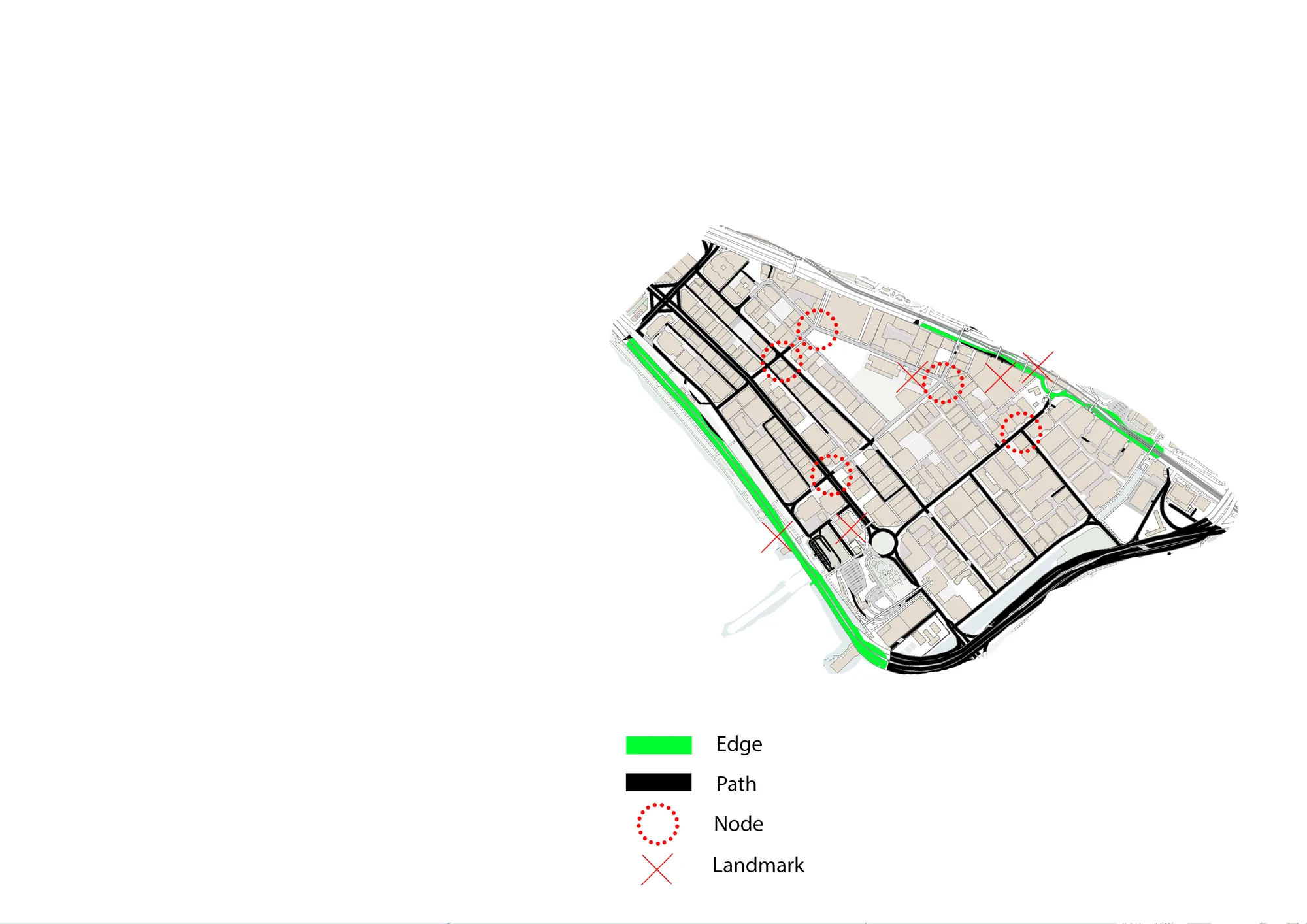
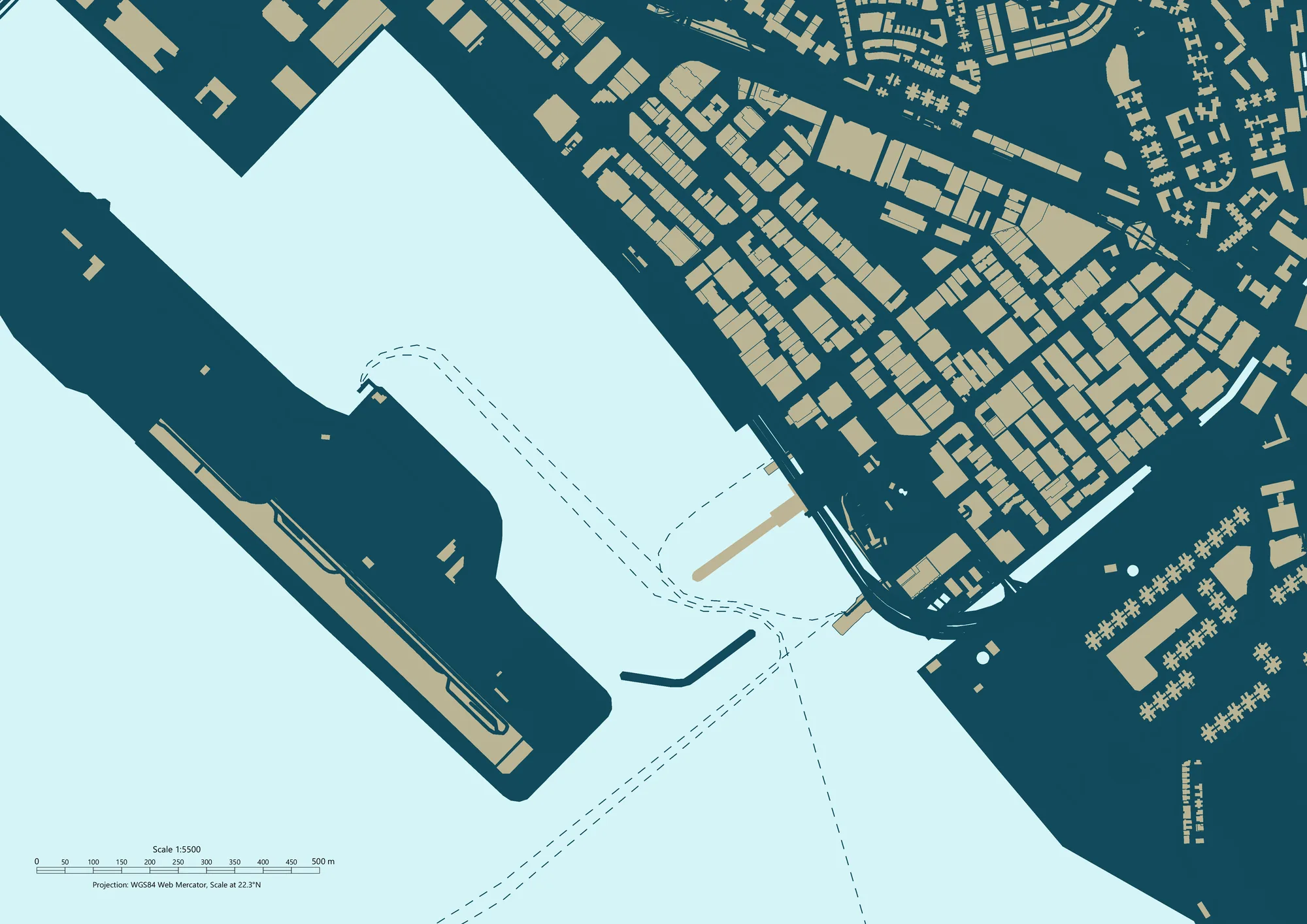
This project responds to the relationship between the Kai Tak Megaproject and the Kwun Tong District in Hong Kong. It aims to identify the effects that the development has on the industrial Kwun Tong to devise an urban development proposal for the district. The study utilised a qualitative approach to methodology collecting data from existing literature as well as site visits. In addition, a series of case studies were included to give a visual image to support the written words. The information gathered gave insight into some of the most critical problems of megaprojects especially in their relation to existing neighbourhoods, the role of public spaces in urban renewal as important drivers of human activities, and placemaking as it relates to the public realm and the sense of belonging and identity. The research revealed a conflict between the scale of the megaproject and the scale of the adjacent neighbourhoods that causes fragmentation at the social and urban planning levels. The design research showed potential areas to improve connectivity in the neighbourhood and concluded that various levels of connectivity by way of public spaces are key to inclusive urban planning. This project It also helped in revealing the problem of scale in between large developments and the existing small neighbourhoods. Those scales are not only related to the size of buildings but also to the size of the activities that happen in them. Their main problem is that the big differences in scales will result in various kind of segregation. In the case of Kwun Tong, a physical segregation accompanied with a fragmented use of space. Another conclusion drawn from the research is that the identity of the neighbourhood is an imperative quality that allows the neighbourhood to grow. This is to say that connectivity must be at the heart of urban transformation projects and that the public realm needs to be flexible to adapt to the organic changes of the city. Based on these conclusions, it is recommended that the Kai Tak Development is evaluated while it is ongoing to adapt its strategy and attempt to establish the missing links between the development and the nearby communities. It is advised for practitioners to promote urban regeneration in the surrounding areas by employing a different approach in their master planning of large scale urban projects
in dense urban areas. A different approach based on the full understanding of the larger context of sites and communities. An approach to planning that considers instead of injecting completely new activities, it is recommended that the existing characteristics and activities of the neighbourhood are enhanced and supported by the new programme. It is also recommended that there should be a revitalisation that happens in parallel between the Kai Tak Development and the surrounding areas for them to be able to connect more efficiently economically, socially, and culturally.